What Holds A Brand Together When Everything Else Is Changing
What can you depend on to hold an organization together through leadership and market changes, new technology, and succession? Learn how a solid brand can be the glue during periods of growth or change.

Change is inevitable in business.
Some changes are small and relatively inconsequential, like a new team member joining, a website refresh, or a shift in priorities. Others are bigger, like a founder retiring, an acquisition or merger, or a new location or market expansion.
In the midst of transitions, there are things that must shift and there are things you hope are anchored strongly enough to weather it all. Brand usually finds itself with a foot in both camps.
Good, bad, or just par for the course in an evolving business, change has a way of revealing whether an organization has a brand that exists beyond the individuals leading it.
So, when the people, processes, and circumstances inside an organization change, what holds?
When the Business Lives Inside People
We often see organizations managing brand through institutional knowledge rather than documented brand knowledge.
This usually means the founder or key employee(s) act as the “brand keepers.” They know which assets get used where and how the brand is supposed to sound across channels.
Here are some tell-tale signs that this is happening in an organization:
- Key messaging changes depending on who is writing. A thought leadership piece written by a founder and a blog post written by a junior marketing team member sound like they were penned for two completely different organizations.
- Customer experience varies by location or employee. A customer who visits headquarters gets an elevated, top-notch interaction while a customer who visits a satellite office gets a super casual, DIY-like experience.
- Decisions rely on specific individuals rather than shared principles. Leadership makes calls based on preference instead of the guiding principles of the brand.
- New hires take a long time to get up to speed. New team members are still struggling to grasp what’s on-brand months after they’re onboarded.
And yes, it’s true that when the business lives inside people instead of the brand, things may look and sound a little “off.” But the real risk is that growth becomes harder, transitions become disruptive, and knowledge leaves when people do.
Brand as Organizational Continuity
Brand identity is often the first thing people see but the work begins much deeper with a shared understanding of mission, vision, and values.
Branding is much more powerful when visual identity is a reflection of a common foundation.
When branding flows from alignment, it translates into shared understanding, decision-making criteria, organizational memory, and customer expectation.
All things that are critical during major organizational changes.
A strong brand creates consistency without requiring sameness, allows organizations to evolve without becoming unrecognizable, and helps teams make aligned decisions even when leadership changes.
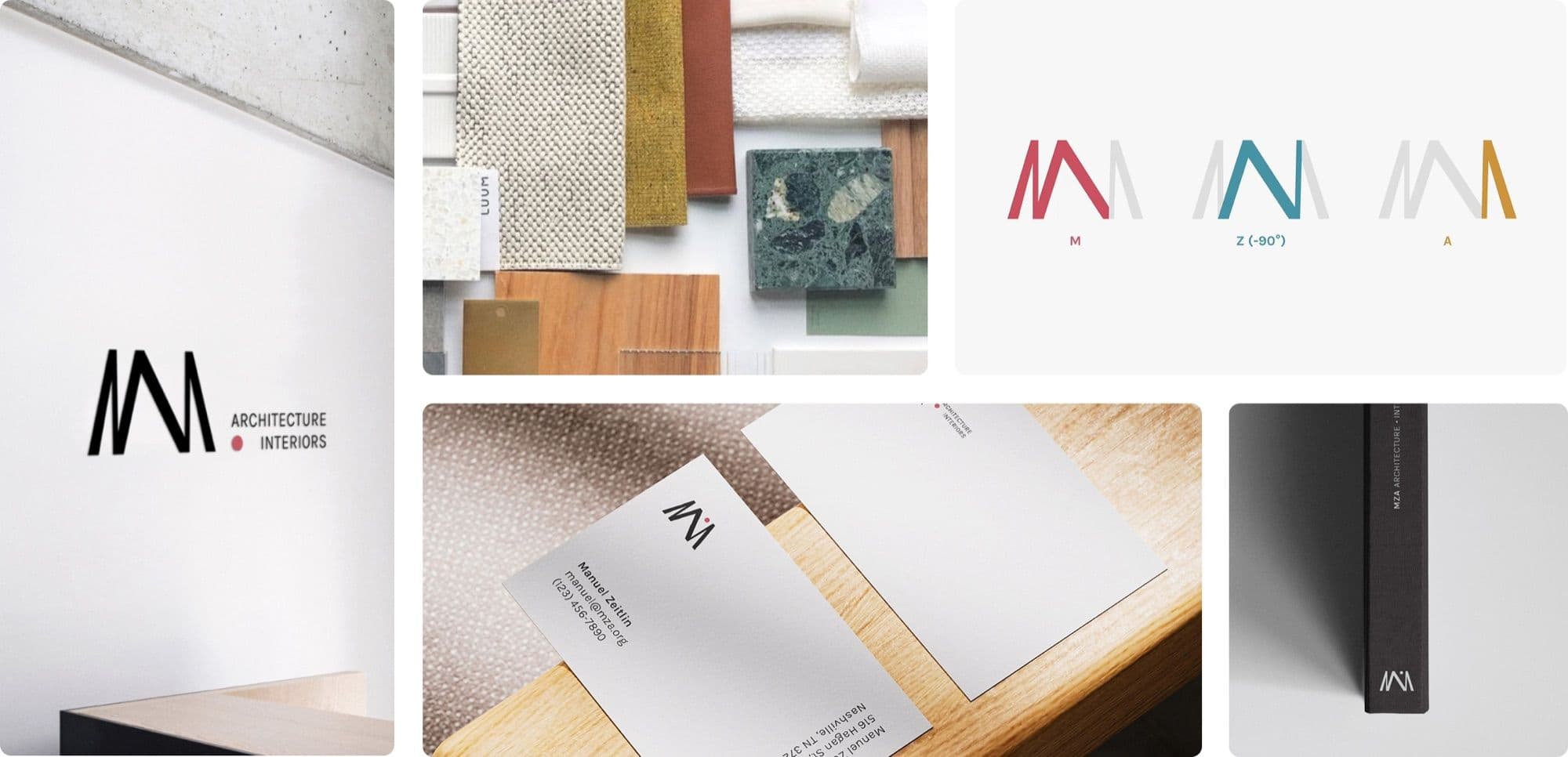
What Strong Brands Preserve
A strong brand doesn’t preserve everything. Organizations evolve, products change, teams grow, and markets shift.
What strong brands preserve are the things customers and employees rely on most: purpose, positioning, customer experience, voice, and the principles that guide decisions.
But whether a brand is strong enough to weather a major change, like rapid growth, leadership succession, or even adoption of AI and new technologies, comes down to just one thing.
At its core, resilience is really about trust. Customers trust that the organization they chose is still the one they’re interacting with. Employees trust that they know how to make decisions. Partners trust they can represent the business accurately.
“Trust is the confidence that someone will guard what is important to you, what you need, possess, or desire. Whatever your interests are, someone you trust will safeguard the interests you entrust to them.”
― Henry Cloud, Trust: Knowing When to Give It, When to Withhold It, How to Earn It, and How to Fix It When It Gets Broken
Trust is the cumulative asset that survives leadership and operational changes. No matter how your brand needs to evolve alongside the organization, trust is one thing that must remain.
How Resilient Is Your Brand?
Major transitions may not always be responsible for creating brand problems, but they do have a knack for exposing them. Use these questions as a quick pulse check for your organization.
For each statement, answer: Yes, Sometimes, or No.
- Our mission, vision, and values guide decisions beyond the leadership team.
- Our messaging stays consistent regardless of who creates it.
- Customers receive a consistent experience across locations, departments, and team members.
- A new employee could explain what makes us different within their first few weeks.
- External partners can accurately represent our brand without constant oversight.
- If a founder or key leader left tomorrow, our brand would remain recognizable to customers.
- Our team can confidently make decisions without relying on institutional knowledge held by one or two people.
Mostly “Yes” answers? Your brand is likely serving as organizational infrastructure.
A mix of “Sometimes” and “No”? Your brand is likely still living inside people instead of the organization itself. That’s not uncommon, but it is a signal that documentation, alignment, and shared understanding need attention.
The Ultimate Return on Creative
It’s easy to measure creative by the outcomes we can see: campaign performance, website traffic, lead generation, or sales. Those metrics matter, but they only tell part of the story.
The strongest creative work becomes part of the infrastructure of an organization. It creates clarity about who the organization is, alignment around what it stands for, consistency across every interaction, and resilience when the business inevitably changes.
When a brand is rooted in shared understanding instead of individual knowledge, it can withstand leadership transitions, rapid growth, evolving technology, and changing markets without losing what makes it recognizable.
Preservation of trust requires intention and alignment.
That’s the ultimate Return on Creative.
Not simply better campaigns or simply more leads, but a business that remains recognizable, trusted, and effective through any change.

About the author
Tori Thomas, CEO & Co-Founder
Tori Thomas is the CEO and Co-Founder of Circa Brand Agency, where she helps organizations build brands designed to endure.
More about Tori →

Get the latest in brand news and brand development delivered straight to your inbox.
Related Notes